- Digital
FurmigaDub, Presto do Coco & Filosofino
Fé Cega
Kaxambu Records
- Cat No: KAX034
- Release: 2026-03-27
- updated:
Track List
16bit/44.1khz [wav/flac/aiff/alac/mp3]
The distinct creative forces of Filosofino, Presto, and FurmigaDub unite in a collaboration defined by intuitive synergy and organic improvisation. Described by the trio as a "channeling" session, the creative process saw FurmigaDub building a sonic architecture of guitars, keyboards, and the traditional Rabeca in real-time, while the vocalists locked into a collective flow state. Filosofino leads the charge with assertive lyricism rooted in identity, setting the stage for Presto, who counters with verses steeped in the theatrical traditions of Pernambuco’s Cavalo Marinho, creating a dynamic interplay that feels less like a standard recording session and more like a spiritual communion between three distinct masters of their craft.
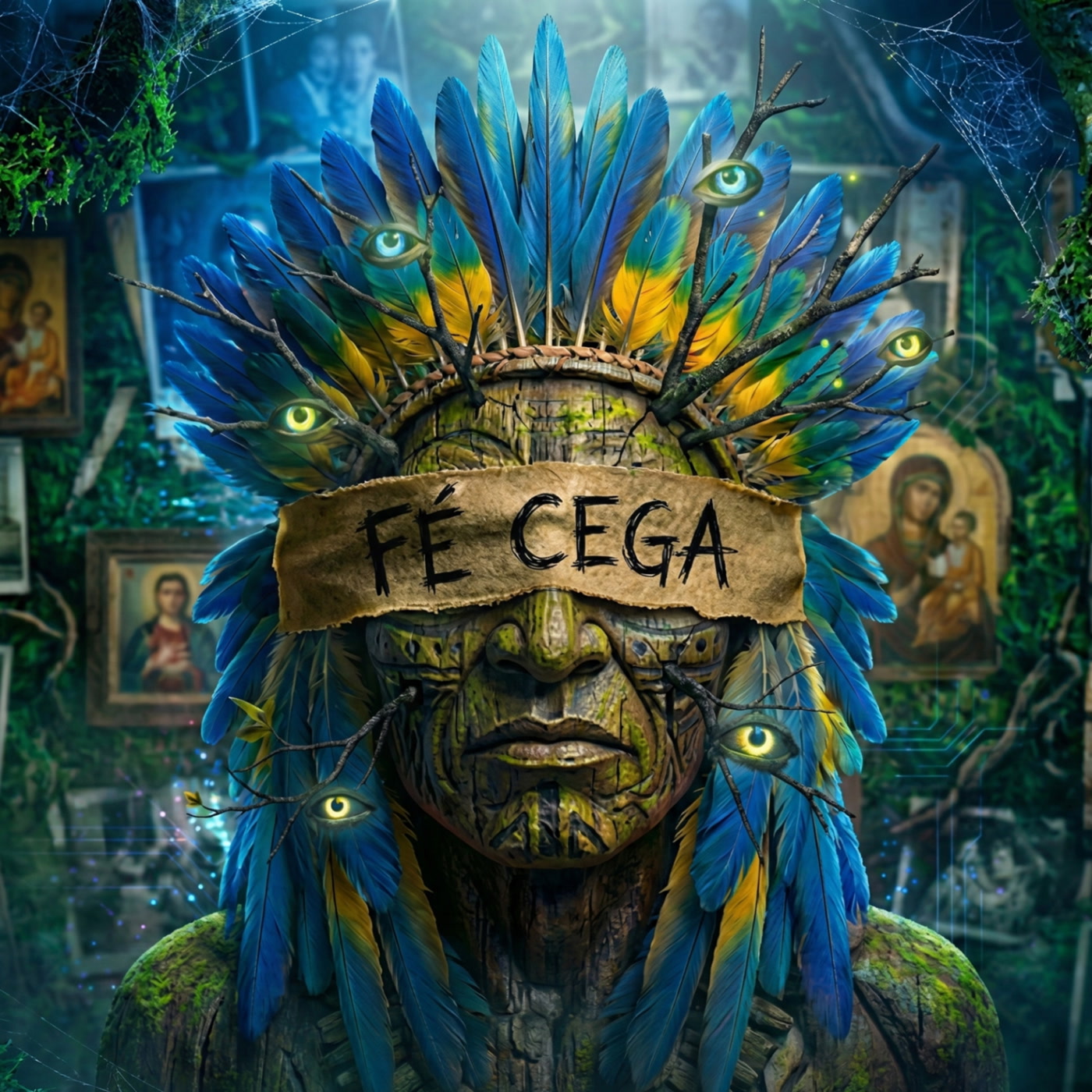
"Fé Cega" (Blind Faith) stands as a rhythmic manifesto for personal resilience, exploring the profound intersection of popular Brazilian spirituality and daily survival. Musically bridging the gap between ancestral rhythms like Coco and Maracatu with the weight of rock and hip-hop cadences, the track operates as an active affirmation of power. The lyrics weave a narrative of "mandingas" and folk wisdom—invoking archetypes like Jurema and Saint George—to create a dialogue between the seeker and the voice of faith itself. It is a song about embodying the strength of these cultural figures to ward off the "evil eye" and find clarity, functioning simultaneously as a modern prayer and a gritty declaration of self-belief.
"Fé Cega" (Blind Faith) stands as a rhythmic manifesto for personal resilience, exploring the profound intersection of popular Brazilian spirituality and daily survival. Musically bridging the gap between ancestral rhythms like Coco and Maracatu with the weight of rock and hip-hop cadences, the track operates as an active affirmation of power. The lyrics weave a narrative of "mandingas" and folk wisdom—invoking archetypes like Jurema and Saint George—to create a dialogue between the seeker and the voice of faith itself. It is a song about embodying the strength of these cultural figures to ward off the "evil eye" and find clarity, functioning simultaneously as a modern prayer and a gritty declaration of self-belief.