

- LP
- Recommended
- New Release
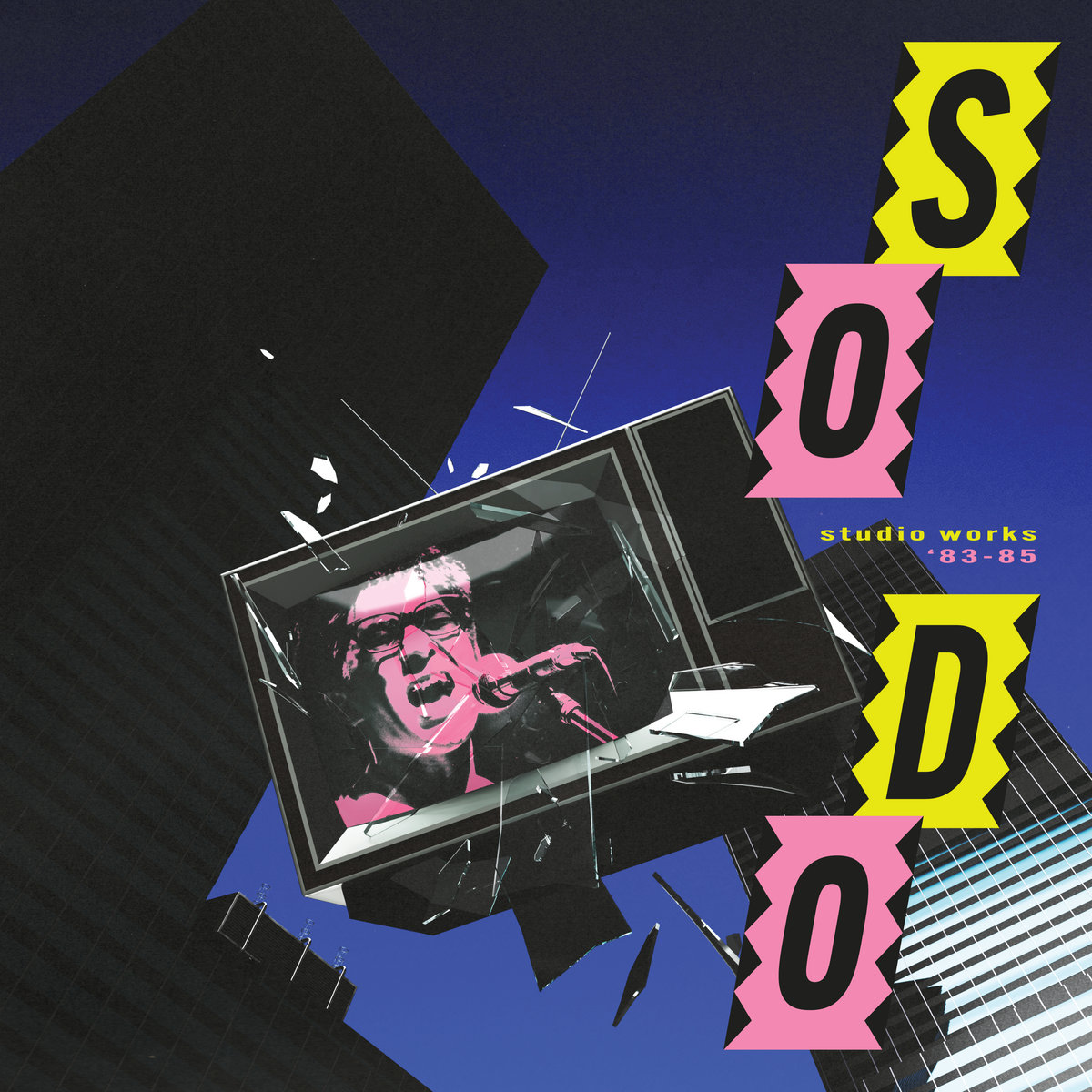
So-Do
Studio Works ‘83-’85
Time Capsule
- Cat No: TIME023
- updated:2025-04-01
A band whose music transcends time and place, wrapped in trippy sonic treatments — yet because these self-released records were made out in the provinces, they stayed buried in the shadows of history for a full 40 years. Now the legendary 1980s self-produced recordings by Nagano's formidable band So-Do return, freshly remastered for the modern era! Dubby new wave sound rings out again after four decades!
Track List
-
1. Get Away
-
2. Kakashi
-
3. Hashiru
-
4. So-Do
-
5. Nothing
-
6. Natural Wave
-
7. Morning

Talking Heads had CBGB in New York, the Sex Pistols had the Roxy in London, and So-Do of Nagano had a place called "Buddha." Overseas there were plenty of examples of small neighborhood venues sustaining independent music scenes, but in Japan at the time the very concept of the "live house" was still relatively new.
So-Do's story from that era was at once commonplace and utterly unique. Singer Hidefumi Akita was a multi-instrumentalist with an elite musical education, at home on everything from violin to saxophone, and a poet's soul shaped by Bob Dylan. Atsuo Takeuchi was a former hippie who had traveled the country, deep into psychedelia, post-punk and dub, and ran a live house. The two met in Nagano, the hometown neither of them could ultimately leave behind. With band members gathered at "Buddha," the legendary original Nagano live house Takeuchi ran, they toured independent venues across Japan and, over two years starting in 1983, self-released two 7-inches and one 12-inch single.
Studio Works '83-'85 collects every studio recording this post-punk band made at the time. Boasting formidable playing and singing, their minimal, syncopation-driven arrangements — regardless of how conscious the members were of it back then — call to mind Dennis Bovell's production for Orange Juice, Jah Wobble's basslines in Public Image Ltd, and Adrian Sherwood's live dub work with Mark Stewart. Now, 40 years on, London's storied Metropolis Studios has remastered the original master tapes, bringing the music back to life with a powerful, contemporary sound stage.
For Akita, the singer and songwriter, making music was a way out of the suffocation of provincial city life. There's a melancholic emptiness drifting through "Kakashi" and "Hashiru," while "Get Away" and "Nothing" deliver sharp critiques of middle-class inequality and apathy. Under the influence of Takeuchi, who functioned as producer, So-Do's sound leaned ever further into dub. Drawn to its political message and its simple, space-conscious rhythms, Akita sensed that his introspective lyrics could sit naturally atop those grooves. The result is a body of work that is wry, funky and charged with raw energy, charting how a once-idealistic spirit was worn down and disillusioned by the hollow promises of the bubble economy. "But I run," Akita sings on "Hashiru," his voice carrying an anger that is defiant and defeated at once: "Run harder, run stronger / the world around me fading from view / time grinds on, and I run." Like many of the finest post-punk poets, Akita's words are a scathing critique of a decaying society, shadowed by the self-lacerating awareness that he cannot escape that reality himself. There may once have been a "future." But not today, and perhaps not tomorrow either. That uncertainty and resignation is etched deep into his lyrics.
So-Do can be seen as an extension of the lineage of 1970s and '80s Japanese reggae-related releases Time Capsule has been issuing over the past year. It offers a different angle on reggae's influence than the acclaimed Tokyo Riddim compilation series or the work of the London-based British-Japanese group Tokyo Riddim Band. So-Do embodied the DIY spirit of the '80s and burned brilliantly for a short time. The band continues in altered form today, but the precious energy of those early years is overwhelming — essential listening.